
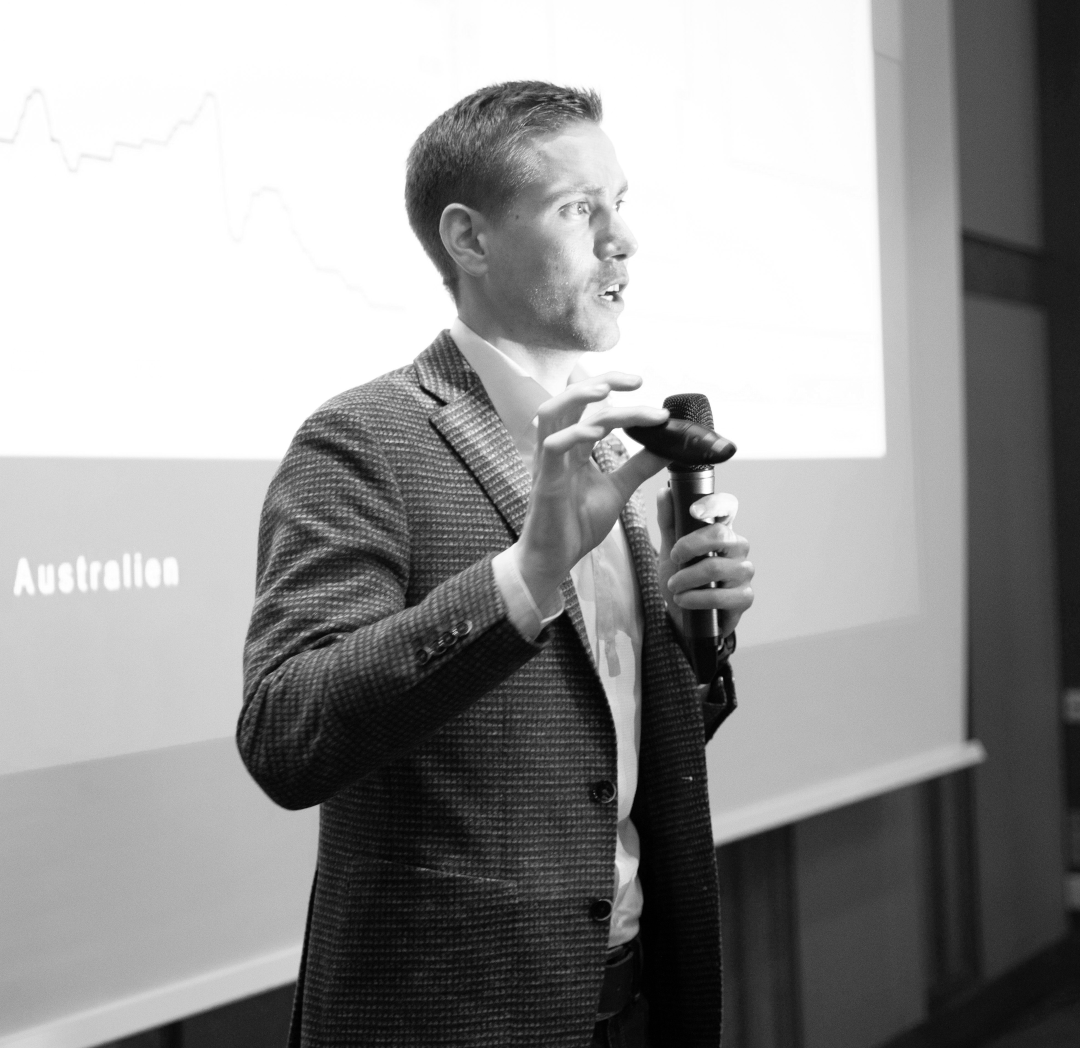
 By Marco Bösing
What Is Overtrading?
Overtrading means that a trader takes more trades than their strategy calls for. This can manifest as too many simultaneous positions, excessive trading frequency, or trading without a clear setup. I distinguish between two forms: quantitative overtrading, where you simply take too many trades per day, and qualitative overtrading, where you enter trades without a real setup.
The causes are almost always emotional: boredom, greed, the desire for adrenaline, or the feeling of missing out. In my work with traders, I see the same pattern over and over. The day starts with a loss, and instead of shutting the screen off, the trader tries to make it back immediately. What follows is a spiral of increasingly worse entries and growing frustration.
Overtrading is not a beginner problem. Even experienced traders fall into this trap, especially after a winning streak, when it feels like you understand the market and can catch every move. The truth is: quality beats quantity. Always.
Why Is Overtrading Dangerous?
Overtrading is one of the most common reasons traders fail in the long run. If you are taking 50 to 100 trades a day, calculate the commissions that pile up by end of day. You have to be exceptionally good just to overcome those costs.
But the problems go far beyond transaction costs:
- Higher costs: Every trade incurs commissions and slippage. At high frequency, these add up to a structural disadvantage
- Lower quality: More trades do not mean better trades. The more you trade, the less selective you become with your setups
- Emotional spiral: Overtrading almost always leads to revenge trading after losses. You try to recover the loss immediately and make everything worse
- Loss of control: The trader reacts to the market instead of following a plan. The hunter becomes the hunted
- Exhaustion: Too many trades per day cause mental fatigue, which further deteriorates decision quality and can eventually lead to trading burnout
The biggest issue: overtrading feels productive. You are at the screen, you are trading, you are doing something. But activity is not the same as productivity. The best traders I know wait for hours before taking a single trade.
Overtrading in Practice
In day trading and scalping, the line between active trading frequency and overtrading is blurry. A scalper naturally takes more trades than a swing trader. The question is not how many trades you take, but whether every single trade follows a clear plan.
A concrete warning sign: if you re-enter on the same idea immediately after getting stopped out, without any new information, that is overtrading. If you trade between activities, during a meal, a phone call, or while waiting for the bus, that is overtrading. If on your day off you say, let me just take a quick look, and three hours later you have taken five trades, that is overtrading.
My advice: set a clear maximum number of trades per day. Define that number in your trading plan and stick to it. When you have reached your daily target or hit your daily loss limit, shut the screen off. The market will be there tomorrow.
Common Mistakes with Overtrading
- No daily loss limit: Without a clearly defined daily loss limit, there is no mechanism to stop you. Decide at what loss level you end the day, before you place the first trade
- Not closing charts: The most effective measure against overtrading is the simplest one: close your charts, change rooms, take a five to ten minute break. If you keep staring at the chart, you will trade again.
- Ignoring euphoria after wins: After a big winning day, the same recommendation applies as after a losing day: close the charts, take a break. Euphoria is just as dangerous as frustration because it leads to overconfidence
FAQ
How many trades per day are normal?
That depends on your trading style. For futures day traders, one to three high-quality trades per day is a healthy baseline. What matters is not the number itself, but whether every trade follows a documented setup and clear plan. If you end the day with more trades than planned, that is a warning sign you should record in your trading journal.
What is the difference between overtrading and active scalping?
Scalping involves higher trade frequency, but every trade still follows a clear setup with a defined stop loss and take profit. Overtrading, on the other hand, is reactive trading without a plan. The difference lies in intention: are you planning the trade or reacting impulsively to a price move?
What should I do when I realize I am overtrading?
Stop immediately. Turn off the screen, change rooms, get some fresh air. The only solution for active overtrading is to break the trading flow. Document the incident in your trading journal that evening and analyze the trigger. Was it boredom, FOMO, frustration after a loss? Only when you know the trigger can you counter it next time.
Read the full article: How to Stop Overtrading